
Bullous Skin Disorder
Bullous skin disorder refers to a group of rare blistering conditions that can cause itchy, sore, or painful fluid-filled blisters on the skin or mucous membranes. At The Dermatology and Skin Surgery Center of Wilmington, our dermatology team can evaluate symptoms and guide next steps for care.
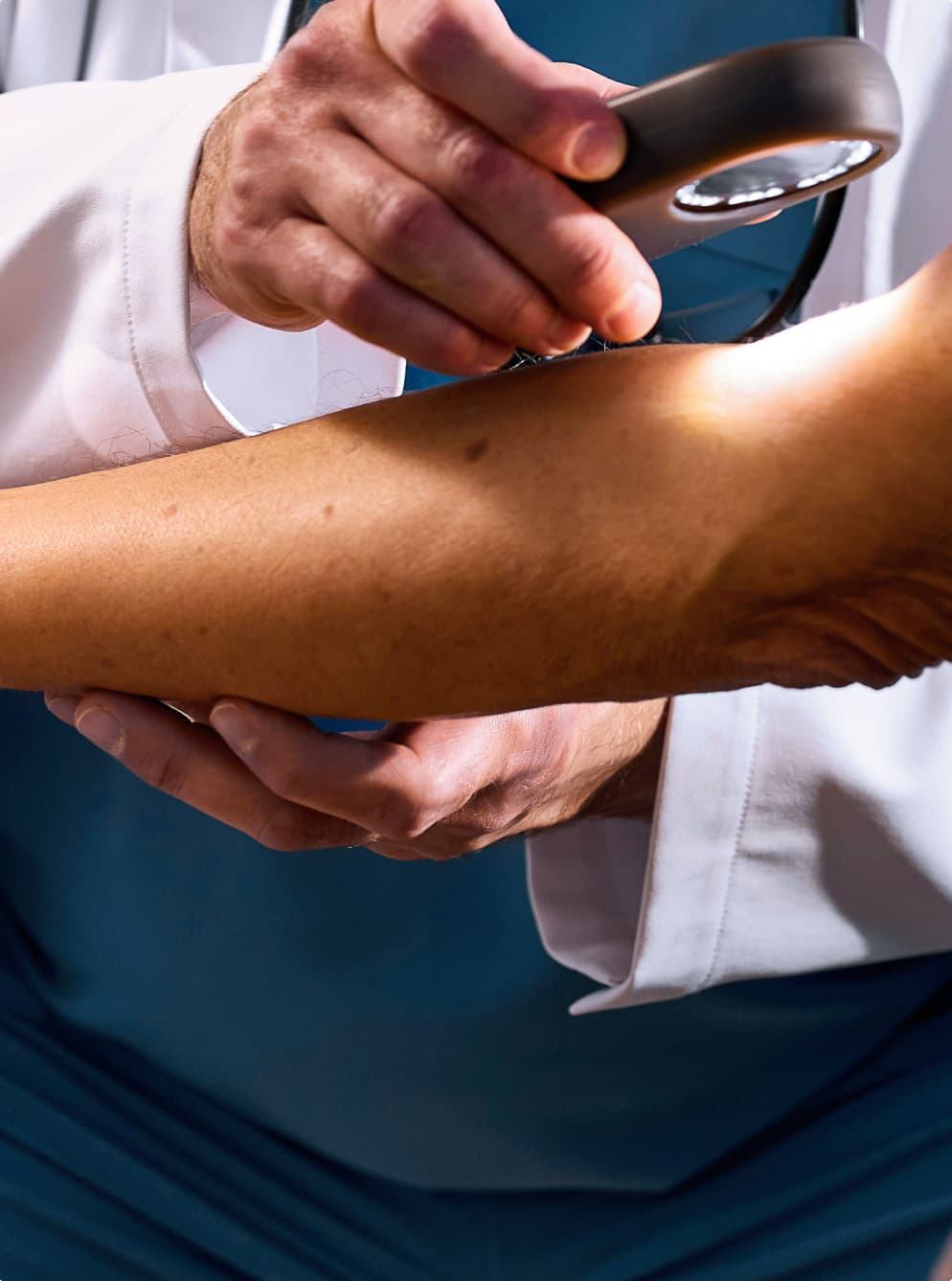

Bullous skin disorder refers to a group of rare blistering conditions that can cause itchy, sore, or painful fluid-filled blisters on the skin or mucous membranes. At The Dermatology and Skin Surgery Center of Wilmington, our dermatology team can evaluate symptoms and guide next steps for care.
What is Bullous Skin Disorder?
Bullous skin disorder, sometimes called blistering disease, is an umbrella term for a group of uncommon conditions that cause blisters on the skin. These blisters may appear in areas that bend or rub, such as the knees, elbows, armpits, or other folds, and they may feel itchy, tender, or painful.
Many bullous disorders are associated with an autoimmune response, although genetics, infections, medications, and other health conditions can also play a role. Because several conditions can look similar, a dermatology evaluation is important for an accurate diagnosis.
Examples of bullous diseases include bullous pemphigoid, dermatitis herpetiformis, epidermolysis bullosa, linear IgA disease, mucous membrane pemphigoid, pemphigus foliaceus, and pemphigus vulgaris.
Common Symptoms
Bullous skin disorders can affect the skin and, in some cases, mucous membranes such as the mouth or nose. Symptoms may vary by condition and severity.
Clear, fluid-filled blisters or bullae
Itching, burning, pain, or tenderness
Redness, swelling, or inflammation around blisters
Peeling, shedding, or irritated skin
Fever or other whole-body symptoms in some cases
Examples of Bullous Skin Disorder
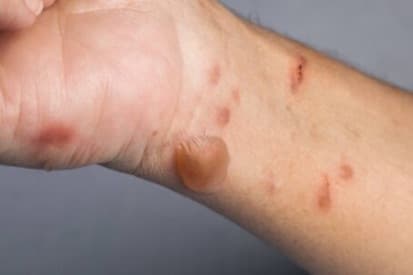
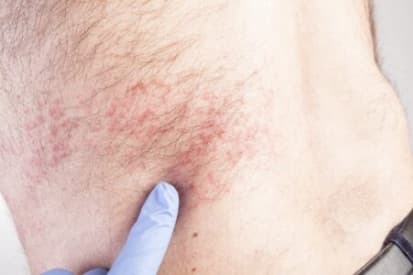
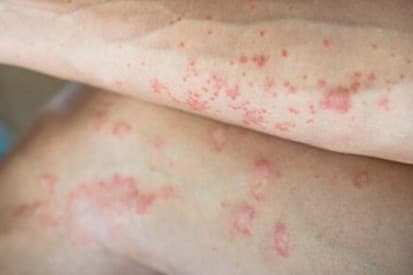
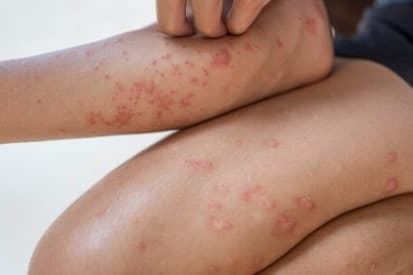
What Causes Bullous Skin Disorder?
The cause depends on the specific blistering condition. Some bullous disorders happen when the immune system mistakenly attacks healthy skin tissue, while others are connected to inherited traits, infections, medication reactions, physical irritation, or underlying medical conditions.
Autoimmune reactions that lead to blister formation
Inherited genetic factors
Infections such as herpes simplex or varicella-zoster
Medication or drug reactions
Heat, friction, radiation, or other physical triggers
Can Bullous Skin Disorder Be Prevented?
Not every bullous skin disorder can be prevented, especially when genetics or autoimmune activity is involved. However, avoiding known triggers, addressing skin infections quickly, and maintaining gentle skin hygiene may help reduce flare-ups or complications for some patients.
If you are developing new or recurring blisters, prompt dermatology care can help identify the cause and reduce the risk of infection, scarring, or worsening symptoms.
Bullous Skin Disorder Treatment Options
Treatment for bullous skin disorder depends on the diagnosis, severity, and whether the condition is affecting the skin, mucous membranes, or overall health. A dermatologist may recommend a blood test, skin biopsy, or other lab testing to confirm the type of blistering disorder.
Common treatment approaches may include topical or oral corticosteroids, immunosuppressive medications for more severe disease, wound care, and steps to prevent infection. Some patients improve within months, while others may need longer-term management.
The team at The Dermatology and Skin Surgery Center of Wilmington can evaluate your symptoms, explain what may be causing the blisters, and build a treatment plan based on your specific condition.
Bullous Skin Disorder FAQs

How The Dermatology and Skin Surgery Center of Wilmington Can Help
If you’re experiencing a skin concern, a consultation with one of our providers is a great first step. Our team will assess your skin condition, discuss what may be causing your symptoms, and help you feel informed and confident about your path to healthier skin.